What Food Flavor?
Food flavor is the sensory experience resulting from a combination of basic tastes (sweet, sour, salty, bitter, and umami), aroma, and other sensations like spiciness, temperature, and texture. While “taste” refers to the five basic flavors detected on the tongue, “flavor” is a broader term that also includes how a food’s smell and other chemical and tactile sensations (like the heat from pepper or the coolness of mint) contribute to the overall perception.

Xi`an Taima Food Flavor
Components of flavor:
Basic tastes: These are detected by receptors on the tongue.
Sweet: Associated with sugars.
Sour: Associated with acids.
Salty: Associated with salts.
Bitter: Associated with a wide range of compounds.
Umami: The savory taste found in things like meat and cheese.
Aroma: This is the most significant component of flavor, contributing to about 80% of our preference for a food. It is caused by volatile compounds that travel from the food to your nose.
Other sensations: These are also part of the flavor experience and are detected by nerve endings in the mouth and nose.
Spicy: The heat from compounds like capsaicin in chili peppers.
Cooling: The sensation from ingredients like menthol.
Texture: Tactile sensations like creaminess, crunchiness, or smoothness.

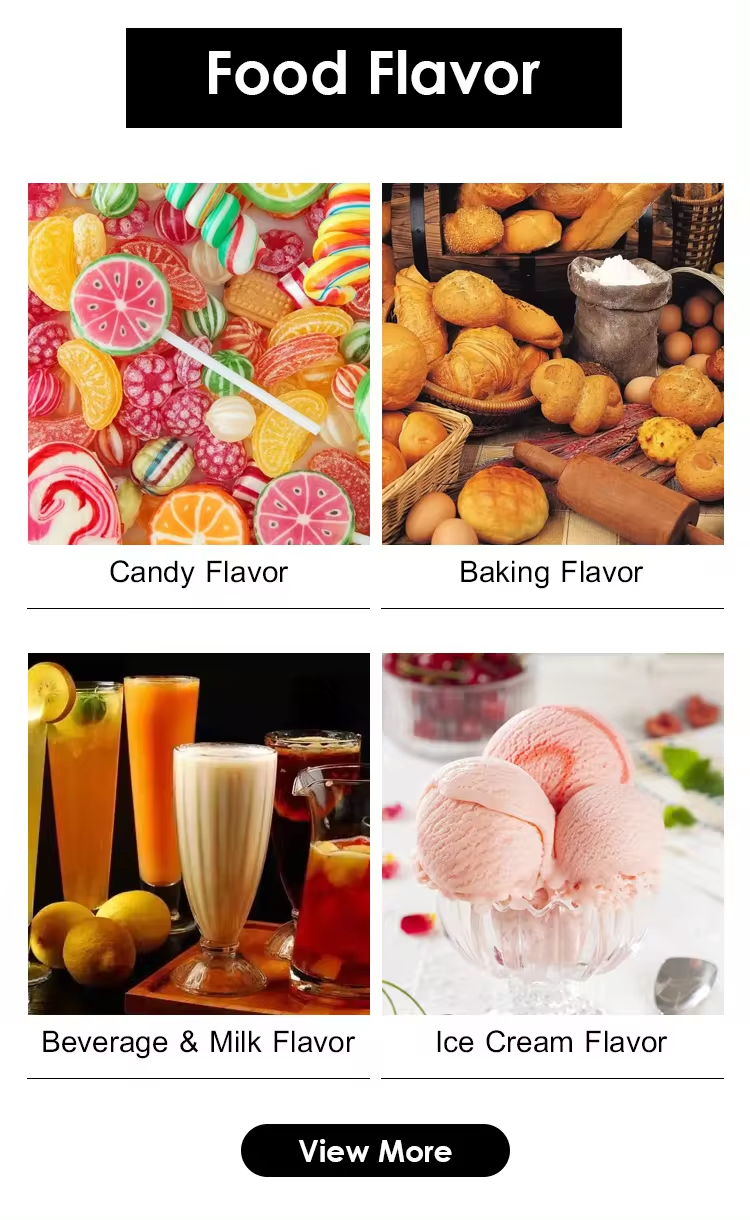
How flavor is perceived?
Flavor is a complex sensory experience created when the brain combines signals from taste, smell, and other sensations like temperature and texture.
A food’s aroma is often the most crucial element, with the “taste” on the tongue being just one part of the overall flavor profile.
Balancing the five basic tastes is key to creating a delicious and complex flavor profile in food.